
Zubeen Khetro: A Memorial Dedicated to Zubeen Garg
Contents
Introduction
Zubeen Khetro is a memorial space dedicated to the memory of Zubeen Garg, one of the most beloved singers and cultural icons of Assam. His music, personality and contribution to Assamese culture made him a special figure in the hearts of millions of people. Even after his passing on 19 September 2025, his songs continue to connect people across Assam and beyond.
The name Zubeen Khetro represents more than a physical place. It represents love, respect, cultural identity and the memories associated with an artist whose music became an important part of Assamese life. The memorial sites connected with his name provide admirers with an opportunity to remember his contributions and reflect on the values he represented.
What Is Zubeen Khetro?
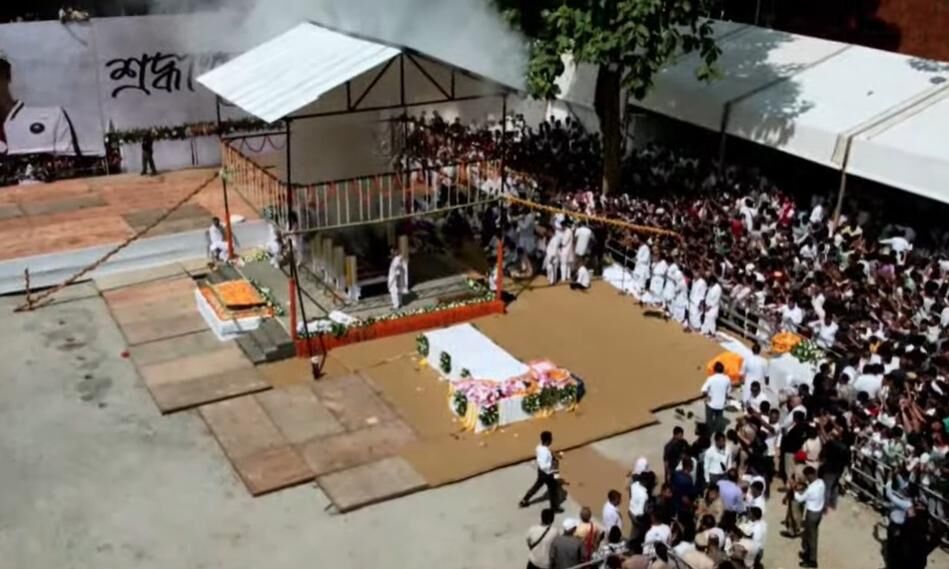
Zubeen Khetro is associated with memorial spaces created in honour of Zubeen Garg. One prominent memorial site is located in Sonapur, near Guwahati, where admirers gather to pay tribute to the late singer. Another memorial space named Zubeen Khetra was inaugurated in Rajgarh, Guwahati, in September 2026.
The Rajgarh memorial was established through the initiative of journalist, writer and cultural activist Hemanta Sarma. It was inaugurated by Zubeen Garg’s wife, Garima Saikia Garg. The space was envisioned as an inclusive place where people from different religions, communities and backgrounds could come together to remember the singer.
The idea behind such memorials reflects the wide influence of Zubeen Garg’s music. His songs reached people from different generations and communities, creating a shared emotional connection through music and culture.
Zubeen Garg was not just a singer. He was also a composer, songwriter, music director, actor and filmmaker. Born in Tura, Meghalaya, on 18 November 1972, he developed a strong connection with Assamese music and culture throughout his career.
His Assamese album Anamika, released in 1992, helped establish his musical identity. Over the following decades, he explored various musical styles, including Assamese folk, Bihu songs, romantic melodies, contemporary music and Hindi film songs.
His famous Hindi song “Ya Ali” from the film Gangster brought him recognition among a wider Indian audience. However, his relationship with Assamese music remained central to his identity. His songs became part of celebrations, festivals, family gatherings and everyday life across Assam.
Zubeen Khetro serves as a reminder of this remarkable musical journey and the lasting connection between the singer and his audience.
Why Is Zubeen Khetro Important to Assam?
Zubeen Khetro holds emotional and cultural significance for many people in Assam. For his admirers, it is a place to express gratitude and remember an artist whose work influenced Assamese music and popular culture.
There are several reasons why the memorial is important:
1. Preserving musical heritage
Zubeen Garg’s songs form an important part of modern Assamese musical history. Memorial spaces can encourage younger generations to discover his music and understand its cultural importance.
2. Bringing people together
His music connected people from different communities and backgrounds. The inclusive vision behind the Rajgarh memorial reflects this spirit of unity.
3. Remembering his contribution
The memorial gives admirers a place to express their respect and remember his contributions as a singer, composer and filmmaker.
4. Inspiring future generations
Young musicians and artists can learn from his creativity, versatility and commitment to his artistic work.
These qualities make Zubeen Khetro more than a memorial. It can also serve as a place for cultural remembrance and community connection.
Zubeen Khetro and the Emotions of His Fans
The relationship between Zubeen Garg and his fans was built over decades. People connected with his songs because they expressed feelings of love, happiness, sadness, hope and belonging.
For many Assamese people, listening to his music brings back memories of childhood, festivals, friendships and important moments in life. His voice became familiar in homes, vehicles, public gatherings and cultural programmes.
After his death, admirers continued to gather at memorial locations to remember him. These gatherings demonstrate how music can preserve a connection between an artist and the people who appreciate his work.
Zubeen Khetro gives people an opportunity to express those emotions collectively. It reminds visitors that although an artist’s life may end, the influence of their creative work can continue through future generations.
The Message of Unity and Humanity
One of the most meaningful aspects of the Rajgarh memorial is its inclusive approach. Reports about its inauguration describe religious leaders and representatives of different faiths participating in prayers and offering blessings.
This reflects the intention to make the space welcoming to everyone, regardless of religion or community. The idea is consistent with the broad appeal of Zubeen Garg’s music, which reached people beyond social and cultural boundaries.
A memorial can become meaningful not only through its physical structure but also through the values it represents. Respect, kindness, unity and appreciation for art can help keep an artist’s legacy alive.
Zubeen Khetro therefore offers an opportunity to reflect on how music and culture can bring people together in a diverse society.
The Future of Zubeen Khetro
The future significance of Zubeen Khetro will depend on how effectively his musical and cultural legacy is preserved. Memorial spaces can support activities such as music appreciation programmes, cultural discussions, exhibitions, and educational initiatives about Assamese music.
Maintaining accurate information, preserving memorabilia and documenting his work could also help students and researchers understand his contribution to Assam’s cultural development.
The memorials can further encourage young people to explore Assamese songs, learn about regional artists and appreciate the diversity of India’s musical traditions.
Community participation and responsible management will be important in ensuring that these spaces remain respectful and accessible to visitors.
Conclusion
Zubeen Khetro represents the enduring connection between Zubeen Garg and the people of Assam. Through his songs, artistic achievements and influence on Assamese culture, he created a legacy that continues to inspire listeners.
The memorial spaces dedicated to him provide opportunities for remembrance, cultural appreciation and unity. They also remind people that an artist’s true legacy is preserved through the music, memories and values that continue to influence society.
For admirers of Zubeen Garg, Zubeen Khetro is not simply a destination. It is a symbol of affection, respect and the lasting power of music in Assamese life.
As new generations discover his songs, his contribution to Assamese culture will remain an important part of the region’s musical history.