
CJP Protest 2026: Latest News, Main Demands, and Nationwide Demonstrations in India
Contents
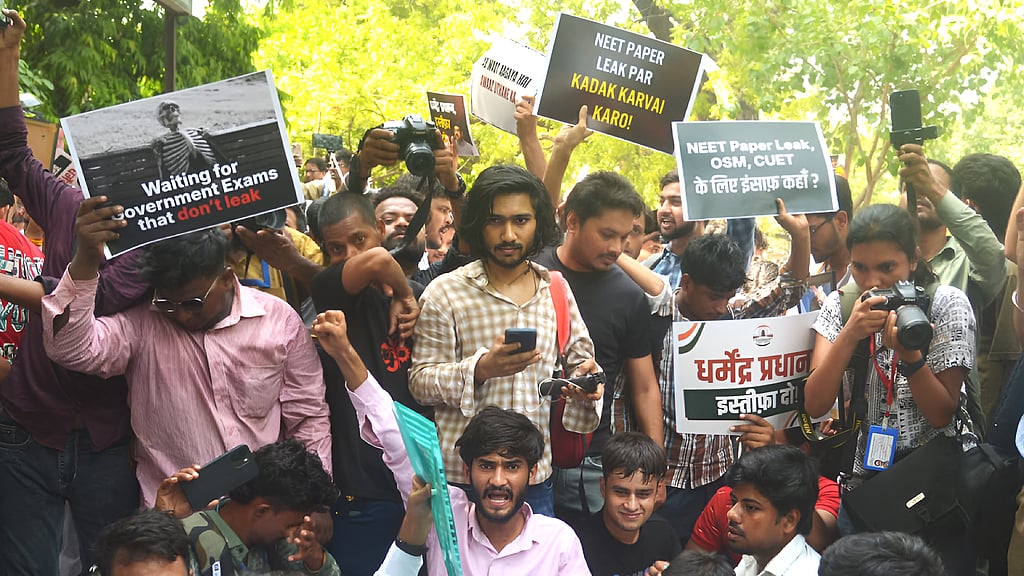
The Cockroach Janta Party (CJP) protest has become a major topic in Indian political news in October 2026. What began as a youth-led online movement has developed into a wider campaign addressing electoral transparency, government accountability, and the right to peaceful protest. The movement has attracted attention from students, young people, political groups, and social media users across India.
Recent demonstrations have taken place in Delhi and other cities. CJP supporters have demanded the resignation of Chief Election Commissioner Gyanesh Kumar and raised objections to the Special Intensive Revision (SIR) of electoral rolls. These developments have also sparked debate about the functioning of democratic institutions and the treatment of protesters by law enforcement authorities.
What Is the Cockroach Janta Party (CJP)?
The Cockroach Janta Party, commonly known as CJP, is a youth-led political movement that gained popularity through social media in 2026. Founded by Abhijeet Dipke, the movement initially used satire, humour, and online campaigns to highlight issues affecting young Indians.
Its unusual name became widely recognised online and helped the group attract attention beyond traditional political circles. Over time, CJP began organising public demonstrations and advocating for changes in areas such as education, employment, electoral transparency, and government accountability.
The movement first received widespread attention because of its campaign against alleged irregularities in competitive examinations. Later, its activities expanded to include concerns about election administration and voter registration.
Why Is CJP Protesting in October 2026?
The latest phase of the CJP protest is primarily connected to concerns about electoral rolls and the Special Intensive Revision exercise.
CJP has called for Chief Election Commissioner Gyanesh Kumar to resign, alleging problems with the electoral process and raising questions about changes to voter lists. Opposition groups have also expressed concerns about the revision exercise.
These allegations are politically significant, but they should not automatically be treated as proven facts. The claims, the Election Commission’s explanations, and any findings by competent authorities must be assessed separately.
According to reports published in September 2026, CJP announced plans for nationwide demonstrations beginning on October 2 if its demand for the Chief Election Commissioner’s resignation was not met.
The campaign subsequently continued through October, with supporters organising demonstrations in different cities and demanding greater transparency in election administration.
Latest CJP Protest News in October 2026
The protest movement has continued to attract attention during October.
On October 11, reports described large-scale detentions in Delhi involving CJP supporters and other demonstrators who were protesting over electoral issues. Police action and restrictions on demonstrations became additional subjects of public debate.
On October 16, CJP supporters and members of student organisations held demonstrations in Delhi after permission for a planned march was denied. Reports also described protests in Bengaluru and other locations.
On October 17, CJP supporters organised a rally in Pune under the name “Lehra Do Tiranga.” The demonstration called for the release of detained activists, protection of peaceful protest, and changes related to electoral administration.
These events show that the movement has continued despite restrictions and detentions. However, the scale, demands, and circumstances of each demonstration differ by location.
Readers should check reliable news sources for any subsequent developments before publishing a report claiming that a particular protest is currently taking place.
Main Demands of the CJP Protest
The CJP movement has raised several demands during its recent demonstrations.
1. Resignation of the Chief Election Commissioner
One of the movement’s central demands is the resignation of Chief Election Commissioner Gyanesh Kumar. CJP has criticised the handling of electoral processes and called for greater accountability.
The demand remains a political position advanced by the movement rather than a judicial determination of wrongdoing.
2. Review of the Special Intensive Revision
The Special Intensive Revision, or SIR, is a process associated with reviewing electoral rolls. CJP and other critics have raised concerns about its implementation and the possible consequences for eligible voters.
The debate centres on ensuring that eligible citizens can participate in elections while maintaining accurate voter lists.
3. Protection of Peaceful Protest
CJP supporters have also raised concerns about the detention of activists and restrictions on demonstrations.
The issue has prompted discussion about the balance between maintaining public order and protecting citizens’ rights to assemble and express political opinions peacefully.
4. Greater Electoral Transparency
Another important demand is greater transparency in election administration. Supporters argue that clear procedures, accessible information, and effective complaint mechanisms can help strengthen public confidence in democratic institutions.
CJP Protest in Assam and Guwahati
Assam has also featured in the movement’s activities. In September 2026, reports said that CJP spokesperson Ashutosh Ranka and several other members were detained by Assam Police in Guwahati ahead of a planned regional volunteers’ meeting. The members were later released.
The incident attracted attention because it involved the movement’s attempt to expand its activities in the Northeast.
CJP subsequently continued to publicise its concerns about electoral transparency and its proposed nationwide campaign. Its activities in Assam have added a regional dimension to a movement that initially gained prominence through online platforms.
The Guwahati episode also raised questions about how authorities handle political meetings and public demonstrations. The specific circumstances of any detention should be evaluated using verified reporting and official statements rather than assumptions.
Role of Social Media in the CJP Movement
Social media has played an important role in the growth of CJP. The movement used online humour, short videos, memes, and political commentary to reach young audiences.
These formats can help people learn about public issues and encourage discussion among individuals who may not regularly follow traditional political news.
Social media also allows supporters to share information about demonstrations and communicate their demands to a wider audience.
However, online popularity does not necessarily establish the accuracy of every claim or indicate the level of support a movement has among the entire population. Readers should verify viral videos, photographs, statistics, and political allegations before sharing them.
Responsible reporting is particularly important when information concerns elections, law enforcement, or public safety.
Why the CJP Protest Matters for Indian Democracy
The CJP protest highlights several important questions about democratic participation in India.
First, election administration depends on public confidence. Voter registration procedures should be transparent, and eligible voters should have accessible ways to correct errors or challenge decisions.
Second, peaceful demonstrations are one way citizens express dissatisfaction with public institutions. Authorities also have responsibilities concerning public order, safety, and lawful restrictions. These interests need to be balanced fairly.
Third, young people’s participation in public affairs shows how digital platforms can influence political discussion. Movements that begin online may develop into organised campaigns when they connect with wider public concerns.
Finally, claims of electoral irregularities should be examined through reliable evidence, appropriate investigations, and established legal processes. Responsible debate requires distinguishing allegations from verified findings.
Conclusion
The CJP protest in October 2026 has become an important development in India’s ongoing discussion about electoral transparency, youth participation, and democratic rights. The movement’s demands concerning Chief Election Commissioner Gyanesh Kumar and the Special Intensive Revision of electoral rolls have drawn attention in Delhi, Assam, Pune, and other parts of the country.
The protests have also generated debate about police action, political accountability, and the right to peaceful assembly. As the situation develops, readers should follow verified reporting and examine statements from all relevant parties before reaching conclusions.
Whether the movement achieves its demands remains uncertain. Its continuing activities nevertheless demonstrate how social media campaigns can evolve into public demonstrations and bring questions of governance and accountability into national discussion.