
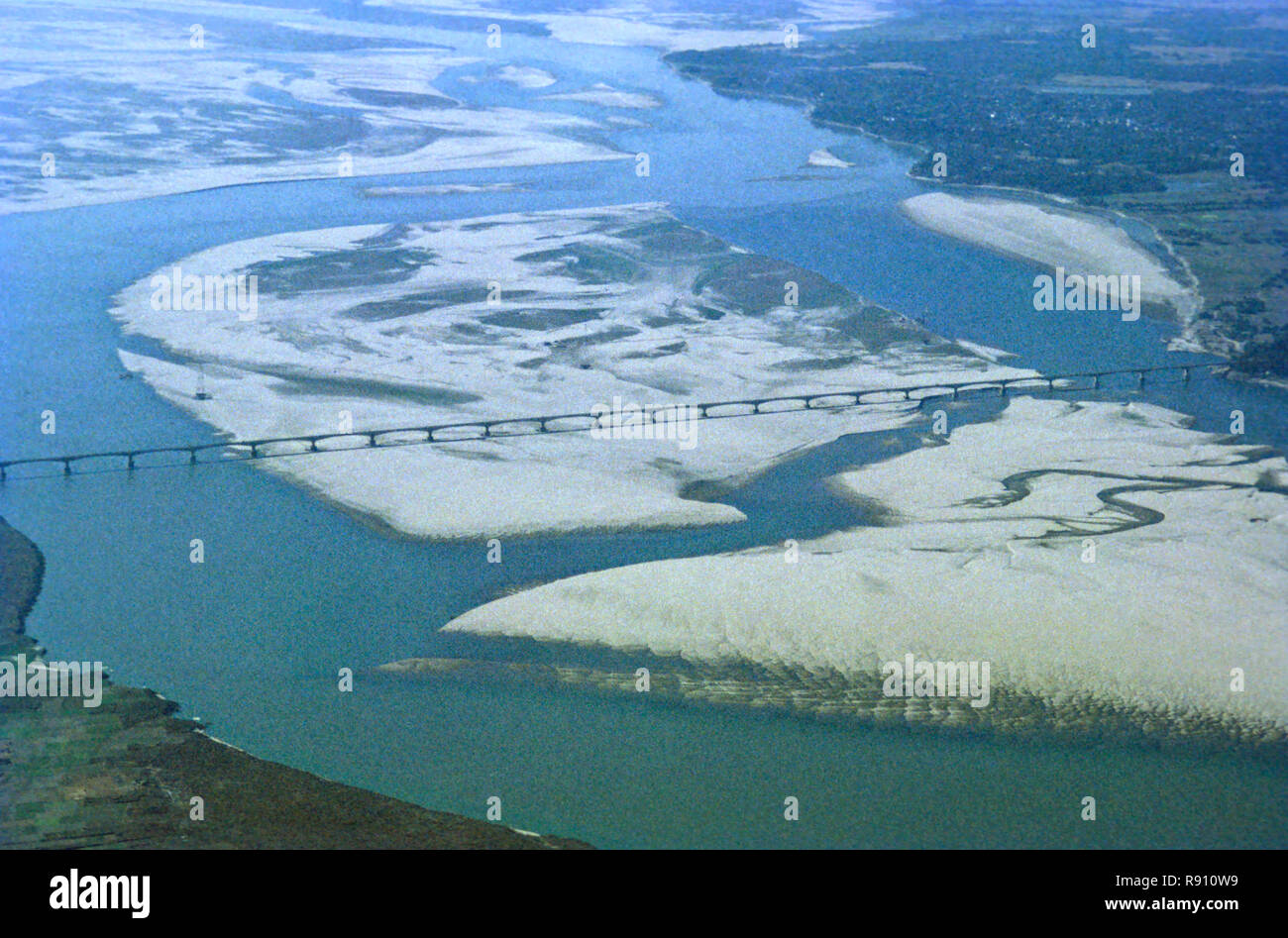
Brahmaputra River in Assam: The Lifeline of Northeast India
Contents
The Brahmaputra River is one of the most important and magnificent rivers in India. Flowing through the beautiful state of Assam, it plays a major role in the region’s agriculture, economy, transportation, tourism, and cultural life. Known for its enormous width and powerful currents, the river is an important geographical feature of Northeast India.
The Brahmaputra is more than a river for the people of Assam. It is closely connected with their traditions, festivals, livelihoods, history, and everyday activities. From the scenic riverbanks of Guwahati to the famous river island of Majuli, the Brahmaputra creates a unique landscape that attracts visitors from across India and other parts of the world.
In this article, we will explore the origin, geographical features, importance, tourism opportunities, and environmental challenges of the Brahmaputra River in Assam.
1. Origin and Course of the Brahmaputra River
The Brahmaputra River originates in the Tibetan Plateau, near the Angsi Glacier region, where it is known as the Yarlung Tsangpo. It flows eastward across Tibet before turning south and entering India through Arunachal Pradesh. In Arunachal Pradesh, it is commonly known as the Siang or Dihang.
After entering Assam, the river becomes widely known as the Brahmaputra. It flows across the Assam Valley from east to west, passing through numerous towns, villages, agricultural areas, and natural landscapes.
The river eventually enters Bangladesh, where it is known as the Jamuna. It later joins the Ganges system and contributes to the vast river network that flows into the Bay of Bengal.
The Brahmaputra has a large drainage basin and receives water from many tributaries. Its flow changes with seasonal rainfall, snowmelt, and other natural factors.
2. Geographical Importance of the Brahmaputra
The Brahmaputra is one of the defining geographical features of Assam. Its broad channel, sandbars, wetlands, and surrounding floodplains create a diverse natural environment.
The river carries large amounts of water and sediment, particularly during the monsoon season. This sediment contributes to the formation and reshaping of river islands, sandbanks, and fertile floodplains.
The river also supports a rich variety of wildlife. Its surrounding wetlands and grasslands provide habitats for birds, fish, and other animals. The broader Brahmaputra landscape is particularly important for biodiversity and ecological balance in Northeast India.
Because the river constantly changes its course and banks, it also influences settlement patterns, land use, and transportation across Assam.
3. Economic Importance of the Brahmaputra River
The Brahmaputra River plays a significant role in the economy of Assam. Agriculture is one of the major sources of livelihood for people living near the river, and its fertile floodplains support the cultivation of rice, vegetables, pulses, mustard, and other crops.
Fishing is another important economic activity. Many families depend on the river and its connected wetlands for fish and other aquatic resources. The river also supports ferry services that connect settlements and river islands.
In addition, the Brahmaputra has potential for inland water transport, trade, and tourism. With suitable infrastructure and environmental safeguards, these activities can create employment opportunities and contribute to regional development.
According to the Assam government’s Water Resources Department, the Brahmaputra receives water from numerous tributaries across its valley, making it a major part of the state’s river system.
4. Cultural and Historical Significance
The Brahmaputra is deeply connected with Assamese identity and cultural heritage. The river has inspired folk songs, poetry, literature, paintings, and stories passed down through generations.
Many communities living along its banks have developed traditions and livelihoods closely associated with the river. Festivals, religious activities, and local celebrations also reflect its importance in everyday life.
One of the most significant cultural destinations associated with the Brahmaputra is Majuli. The island is famous for its Vaishnavite satras, traditional arts, mask-making, and Raas Mahotsav. These institutions preserve important aspects of Assamese religious and cultural history.
The river therefore acts as a natural connection between communities, traditions, and generations.
5. Tourism and Famous Places Along the Brahmaputra


The Brahmaputra River offers several beautiful destinations for tourists who want to experience Assam’s natural scenery and culture.
Guwahati: The river passes beside Guwahati, Assam’s largest city. Visitors can enjoy river views, explore the surrounding attractions, and experience river cruises when available.
Majuli Island: Majuli is known for its distinctive river-island landscape, traditional Assamese culture, and historic satras. Visitors can explore local villages, traditional crafts, and cultural festivals.
Umananda Island: Located in the Brahmaputra near Guwahati, this small island is known for the Umananda Temple and its scenic surroundings.
Saraighat Bridge: This famous bridge connects important parts of Assam across the Brahmaputra and is a significant transportation link.
River cruises, photography, birdwatching, and cultural tourism offer opportunities to experience the region. Visitors should follow local safety guidance, especially during periods of strong currents and high water levels.
6. Floods and Erosion: Major Challenges
Although the Brahmaputra supports agriculture and biodiversity, it also creates serious challenges for Assam. Heavy monsoon rainfall, water flowing from upstream regions, and the river’s large sediment load contribute to seasonal flooding.
Floods can damage houses, agricultural land, roads, bridges, and other infrastructure. They can also disrupt education, transportation, and local businesses. Families living on river islands and low-lying floodplains may face repeated displacement.
Riverbank erosion is another major concern. The river can remove large areas of land, affecting villages, farmland, and settlements. Majuli is particularly associated with the challenges of flooding and erosion.
The Assam government identifies flooding and riverbank erosion as major problems affecting the state. Effective flood forecasting, stronger infrastructure where appropriate, wetland conservation, and community preparedness are important parts of reducing these risks.
7. Environmental Importance and Conservation
The Brahmaputra supports a wide range of aquatic and terrestrial ecosystems. Its wetlands, grasslands, river islands, and surrounding forests provide habitats for numerous species of plants, fish, birds, and other wildlife.
However, pollution, plastic waste, habitat degradation, and unsustainable resource use can threaten the river’s ecological health.
Protecting the Brahmaputra requires cooperation among government agencies, local communities, businesses, and visitors. Important measures include reducing waste disposal into the river, protecting wetlands, monitoring water quality, conserving wildlife habitats, and promoting responsible tourism.
Public awareness and environmental education can help younger generations understand why the river needs long-term protection.
8. Interesting Facts About the Brahmaputra River
-
The Brahmaputra flows through Tibet, India, and Bangladesh.
-
It enters Assam after flowing through Arunachal Pradesh.
-
Its river system includes numerous major tributaries.
-
It creates fertile floodplains and shifting sandbars.
-
Majuli is one of the best-known river islands associated with the Brahmaputra.
-
The river is important for agriculture, fishing, transportation, culture, and tourism.
- Seasonal floods and riverbank erosion remain significant challenges in Assam.
Conclusion
The Brahmaputra River is one of Assam’s greatest natural treasures. It supports agriculture, livelihoods, biodiversity, transportation, and cultural traditions while shaping the state’s distinctive landscape. From the busy riverfront of Guwahati to the cultural heritage of Majuli, its influence can be seen throughout Assam.
At the same time, flooding, erosion, and pollution demonstrate the importance of responsible river management. Protecting this magnificent river is essential for the environment, the economy, and the future of communities across Assam.
The Brahmaputra is not merely a geographical feature; it is an essential part of Assam’s identity and heritage. Preserving it for future generations should remain a shared responsibility.