
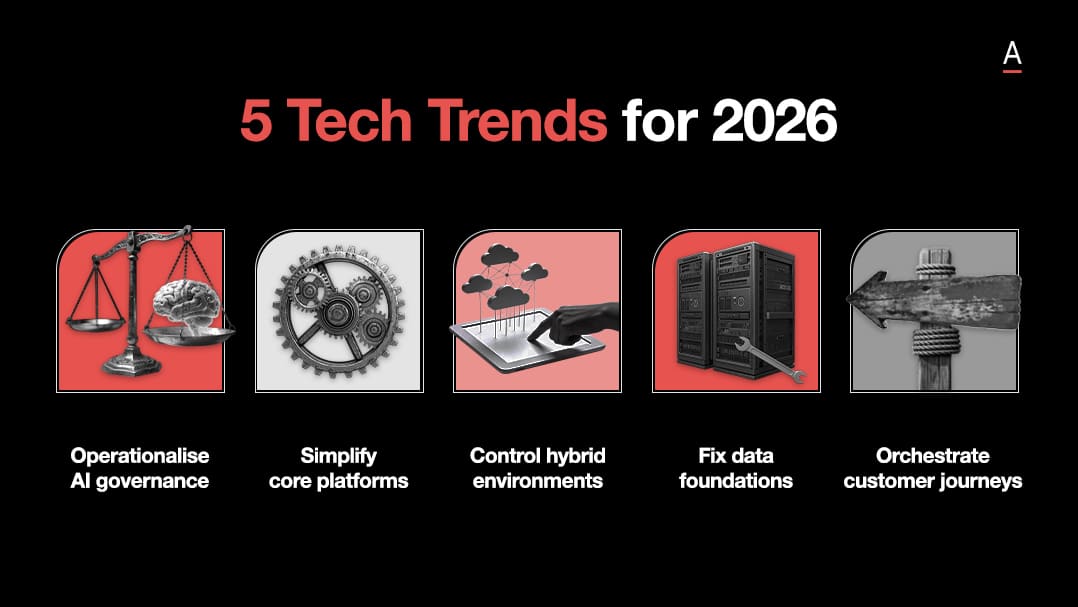
Technology is evolving faster than ever in 2026. From Artificial Intelligence (AI) to digital payments and smart devices, new innovations are changing how people work, communicate, learn, and run businesses. Understanding these developments can help individuals, students, entrepreneurs, and companies prepare for the future.
In this article, we explore five important technology trends and how they may affect our daily lives.
1. Artificial Intelligence Is Changing the World
Contents
Artificial Intelligence has become one of the most important technology developments in recent years. AI-powered tools can help users write articles, create images, analyze data, answer questions, and automate repetitive tasks.
Businesses can use AI to improve customer support, manage information, and save time. Students can use AI to understand difficult subjects and organize their studies.
However, AI-generated information should always be checked for accuracy. Human judgment, creativity, and responsible use remain essential.
2. AI Tools Are Making Blogging Easier
Blogging continues to provide opportunities for people who want to share knowledge, build an audience, or develop an online business.
Modern AI tools can help bloggers research topics, generate article outlines, improve grammar, and suggest search engine optimization (SEO) keywords. Some WordPress plugins can also automate parts of the publishing process.
However, automatically publishing large numbers of low-quality articles may not attract readers or perform well in search engines. Successful blogs focus on original information, useful explanations, accurate facts, and engaging writing.
Bloggers should review every article before publishing and include relevant images, descriptive headings, and helpful links.
3. Cybersecurity Is More Important Than Ever
As more people use online banking, digital wallets, shopping websites, and mobile applications, protecting personal information has become essential.
Cybercriminals may attempt to steal passwords, banking details, or one-time passwords (OTPs) through fake messages, fraudulent websites, and phone calls.
To stay safe online, follow these precautions:
- Use strong and unique passwords for different accounts.
- Enable two-factor authentication wherever possible.
- Never share your banking PIN or OTP with strangers.
- Avoid clicking suspicious links in emails and text messages.
- Download applications only from trusted sources.
- Check payment details before approving a transaction.
A few simple security habits can significantly reduce the risk of online fraud.
4. Digital Payments Are Transforming Businesses
Digital payment systems have made it easier for customers to transfer money, pay bills, and purchase products without carrying cash.
In India, the Unified Payments Interface (UPI) has become an important part of everyday transactions. Small shops, local retailers, online sellers, and service providers can use digital payments to make transactions more convenient.
Businesses should maintain accurate transaction records, verify payment confirmations, and protect customer information. They should also understand the applicable banking rules, payment service fees, and regulatory requirements.
Digital payment technology can support business growth when combined with good customer service and responsible financial management.
5. Smart Devices Are Creating Connected Homes
Smart technology is becoming increasingly common in homes and workplaces. Smart cameras, connected appliances, automated lighting, and intelligent security systems allow users to control devices more conveniently.
For example, a smart security camera can help a shop owner monitor their premises remotely. Smart lighting can reduce unnecessary electricity use, while connected appliances can provide additional convenience.
However, connected devices should be protected with strong passwords, updated software, and secure Wi-Fi networks.
Conclusion
Artificial Intelligence, AI-powered blogging, cybersecurity, digital payments, and smart devices are important technology trends to understand in 2026.
By learning about these developments and using digital tools responsibly, individuals and businesses can improve productivity, strengthen security, and discover new opportunities.
Keep learning, stay updated, and use technology wisely to build a smarter digital future.