
Introduction
Contents
Mahendra Singh Dhoni, popularly known as MS Dhoni, is one of the most celebrated cricketers in Indian cricket history. Famous for his calm personality, powerful batting, excellent wicketkeeping, and outstanding leadership, Dhoni has earned a special place in the hearts of millions of cricket fans around the world. He is widely known as “Captain Cool” because of his ability to remain composed under pressure.
Throughout his international career, Dhoni achieved several remarkable milestones. He led India to victory in the 2007 ICC T20 World Cup, the 2011 ICC Cricket World Cup, and the 2013 ICC Champions Trophy. His leadership helped establish India as one of the strongest teams in international cricket.
Even after retiring from international cricket in 2020, Dhoni has remained a major name in the Indian Premier League (IPL), particularly through his association with Chennai Super Kings.
Early Life and Family Background
MS Dhoni was born on July 7, 1981, in Ranchi, which was then part of Bihar and is now in Jharkhand, India. His full name is Mahendra Singh Dhoni. He grew up in a middle-class family and developed an interest in sports during his school years.
Dhoni studied at DAV Jawahar Vidya Mandir in Ranchi. Initially, he was interested in football and played as a goalkeeper. His football experience helped him develop quick reflexes and coordination, skills that later benefited his wicketkeeping career.
His school coach noticed his athletic abilities and encouraged him to try wicketkeeping. Dhoni gradually became interested in cricket and began working hard to improve his batting and wicketkeeping skills.
Before becoming an international cricket star, he played domestic cricket and worked as a Travelling Ticket Examiner (TTE) at Kharagpur railway station. His journey from a small city to international cricket demonstrates the importance of dedication, discipline, and perseverance.
MS Dhoni’s International Cricket Career

MS Dhoni made his One Day International (ODI) debut against Bangladesh on December 23, 2004. His early international performances were not particularly successful, but he soon demonstrated his potential with an outstanding innings against Pakistan in 2005.
During that match, Dhoni scored 148 runs, announcing himself as a powerful and aggressive batter. Later in the same year, he scored an unbeaten 183 against Sri Lanka, one of the most memorable innings of his ODI career.
His performances quickly established him as one of India’s most exciting wicketkeeper-batters. He was also known for his ability to finish matches, especially when the team needed quick runs in the final overs.
Dhoni made his Test debut against Sri Lanka in December 2005 and his T20 International debut against South Africa in December 2006. Over the years, he became an important player across all three international formats.
MS Dhoni as India’s Captain
One of the most significant chapters in Dhoni’s career began when he became captain of India’s T20 team in 2007. India won the inaugural ICC Men’s T20 World Cup under his leadership, defeating Pakistan in a memorable final.
Following this achievement, Dhoni became India’s captain across the major formats. His leadership style was different from that of many traditional captains. He trusted his players, made decisions calmly, and often backed young cricketers during difficult situations.
Under his captaincy, India achieved several historic victories. He helped the team develop a strong winning mentality and encouraged players to perform confidently on the international stage.
Dhoni’s ability to make tactical decisions under pressure became one of his greatest strengths. His calm approach during close matches earned him the nickname “Captain Cool.”
The Historic 2011 Cricket World Cup Victory
The 2011 ICC Cricket World Cup was one of the defining moments of MS Dhoni’s career. India entered the tournament with high expectations, and Dhoni played a crucial role in guiding the team throughout the competition.
In the final against Sri Lanka at Mumbai’s Wankhede Stadium on April 2, 2011, India faced a challenging target of 275 runs. Dhoni promoted himself up the batting order and formed a crucial partnership with Gautam Gambhir.
Dhoni scored an unbeaten 91 runs and finished the match with a memorable six. India won the World Cup for the second time in its history, ending a 28-year wait for the ODI World Cup title.
His performance in the final remains one of the most iconic moments in Indian cricket. The victory strengthened his reputation as a leader who could deliver when the pressure was highest.
ICC Champions Trophy 2013
In 2013, Dhoni achieved another historic milestone by leading India to victory in the ICC Champions Trophy in England. India defeated England in a rain-affected final to win the tournament.
This victory made Dhoni the first captain to win all three major ICC men’s limited-overs international trophies available at that time: the T20 World Cup, the ODI World Cup, and the Champions Trophy.
His success across multiple tournaments demonstrated his adaptability and tactical understanding of the game. He also helped India remain competitive in international cricket during a period of significant change.
MS Dhoni’s IPL Career and Chennai Super Kings

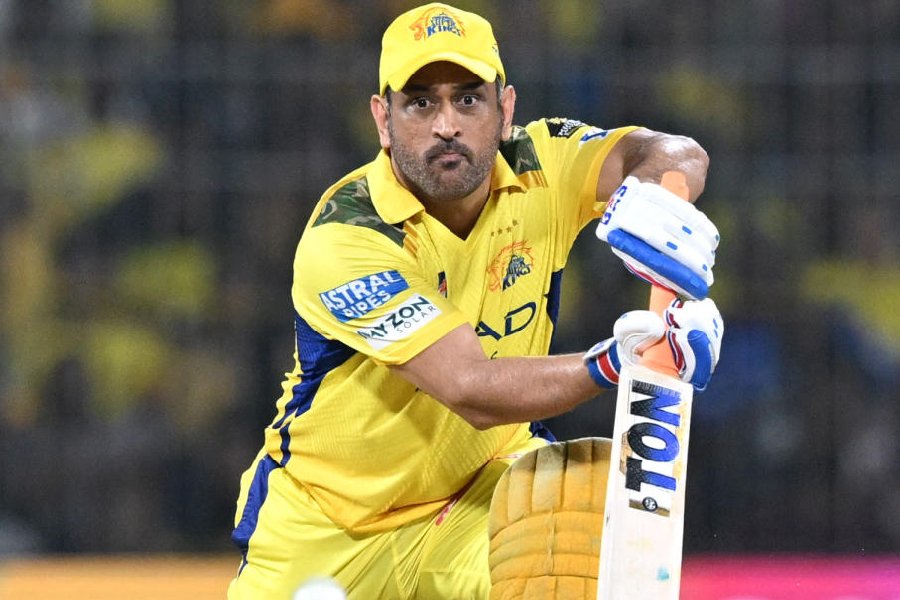
MS Dhoni is closely associated with the Chennai Super Kings (CSK), one of the most successful franchises in the Indian Premier League. Since the beginning of the IPL in 2008, Dhoni has been a central figure in the team’s identity.
Under his leadership, Chennai Super Kings won multiple IPL championships, building a reputation for consistency and strong performances in important matches. The franchise became famous for its experienced players, team spirit, and ability to perform under pressure.
Dhoni’s finishing ability, wicketkeeping skills, and tactical decisions have made him one of the most influential players in IPL history. His popularity among CSK supporters has earned him the affectionate nickname “Thala,” meaning leader or head in Tamil.
Even as he entered the later stages of his playing career, Dhoni continued to attract enormous attention from cricket fans. His presence at the IPL remains a major attraction for supporters.
MS Dhoni’s Major Records and Achievements
MS Dhoni has achieved several remarkable milestones during his career. Some of his most notable accomplishments include:
-
2007: Led India to victory in the inaugural ICC Men’s T20 World Cup.
-
2011: Captained India to the ICC Men’s Cricket World Cup title.
-
2013: Led India to victory in the ICC Champions Trophy.
-
2014: Retired from Test cricket during India’s tour of Australia.
-
2017: Stepped down as India’s limited-overs captain.
-
2019: Played his final international match, during the Cricket World Cup semifinal against New Zealand.
-
2020: Announced his retirement from international cricket.
-
IPL: Led Chennai Super Kings to multiple championship victories.
Dhoni is also widely respected for his wicketkeeping records, finishing skills, and contributions to India’s success in limited-overs cricket.
MS Dhoni’s Retirement from International Cricket
On August 15, 2020, Dhoni announced his retirement from international cricket through a social media post. The announcement marked the end of an extraordinary international career that had inspired millions of cricket enthusiasts.
Although he stepped away from international cricket, Dhoni continued playing in the IPL. His experience and leadership remain valuable to Chennai Super Kings, and fans continue to follow his performances closely.
His retirement did not reduce his popularity. Instead, it strengthened his legacy as one of the most influential figures in modern Indian cricket.
MS Dhoni’s Personality and Legacy
MS Dhoni is admired not only for his cricketing achievements but also for his calm personality and practical leadership style. He has shown that success requires patience, teamwork, confidence, and the ability to learn from mistakes.
Young cricketers often look up to him because of his journey from Ranchi to the highest level of international cricket. His story demonstrates that talent, consistent effort, and determination can create opportunities even when the path to success is difficult.
Dhoni’s contribution to Indian cricket extends beyond trophies and statistics. He helped develop confidence among younger players and demonstrated the importance of remaining composed during challenging moments.
His influence can be seen in the way cricket fans discuss captaincy, finishing matches, and handling pressure.
Conclusion
MS Dhoni’s journey from a young boy in Ranchi to one of India’s most respected cricketing legends is an inspiring story of dedication and achievement. His World Cup victories, successful captaincy, outstanding wicketkeeping, and memorable batting performances have made him a legendary figure in Indian sports.
Although his international career has ended, his association with Chennai Super Kings and his influence on future generations of cricketers continue to keep his name alive in the cricketing world.
For millions of fans, MS Dhoni will always be remembered as Captain Cool—a leader whose calm decisions, remarkable achievements, and passion for cricket helped create some of the most unforgettable moments in Indian cricket history.