
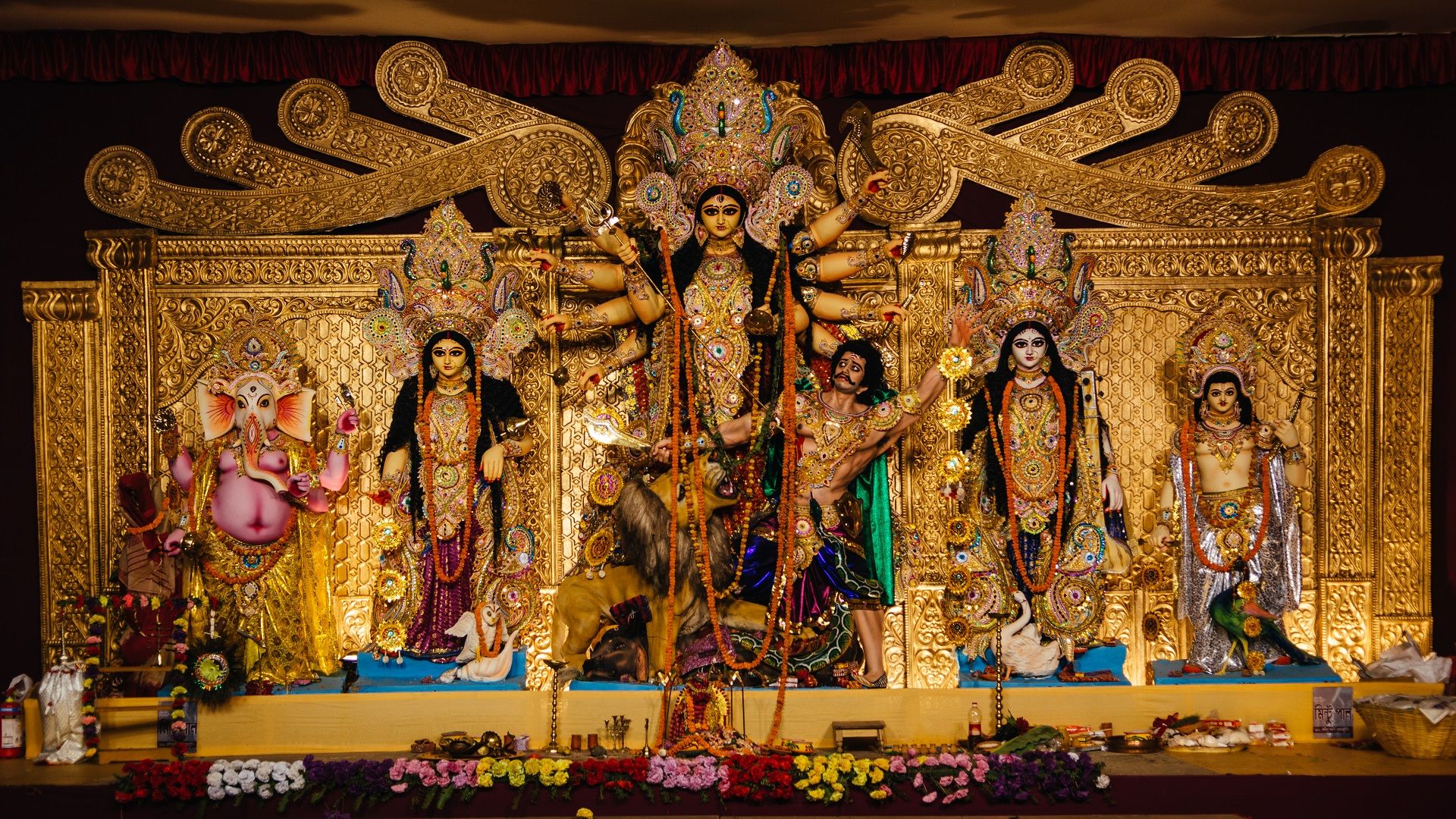
Durga Puja 2026: History, Significance, Rituals, and Celebrations in India
Contents
Durga Puja is one of the most important and colourful festivals in India, celebrated with great devotion and enthusiasm, especially in West Bengal, Assam, Tripura, and other parts of eastern India. This festival honours Goddess Durga and celebrates the victory of good over evil. Every year, millions of devotees gather at temples and beautifully decorated pandals to worship Maa Durga, enjoy cultural programmes, and spend quality time with family and friends.
Durga Puja 2026 is an important occasion for devotees and festival lovers. The celebrations are known for their magnificent idols, artistic decorations, traditional music, delicious food, and vibrant atmosphere. Beyond its religious importance, the festival also represents unity, creativity, cultural heritage, and the strength of women.
History of Durga Puja
The history of Durga Puja is deeply connected with Hindu mythology. According to the Devi Mahatmya, Goddess Durga fought the powerful demon Mahishasura, who had become a threat to the gods and the world. After a fierce battle, Goddess Durga defeated Mahishasura and restored peace and balance.
This story represents the victory of righteousness over evil and the power of divine feminine energy. Goddess Durga is worshipped as a symbol of courage, protection, wisdom, and strength.
Over time, Durga Puja developed into a major religious and cultural celebration, particularly in Bengal. Community-based celebrations became increasingly popular, bringing people together to organise public worship, decorate pandals, and conduct cultural activities.
Today, Durga Puja is celebrated not only as a religious festival but also as a major cultural event that attracts visitors from different parts of India and around the world.
Durga Puja 2026 Dates and Important Days
In 2026, the main Durga Puja celebrations in Bengal take place during October. Mahalaya falls on October 10, while the main festival begins around Maha Shashthi on October 16 and continues through Vijaya Dashami on October 21. Some ritual dates can vary according to regional calendars and lunar observance.
The important days include:
-
Mahalaya: Marks the traditional beginning of the Durga Puja season and the arrival of Devi Paksha.
-
Maha Shashthi: Celebrates the ceremonial awakening and welcoming of Goddess Durga.
-
Maha Saptami: Includes important rituals and the worship of the goddess.
-
Maha Ashtami: One of the most significant days, associated with Pushpanjali and special prayers.
-
Maha Navami: Devotees offer prayers and participate in religious ceremonies.
-
Vijaya Dashami: Marks the farewell to Goddess Durga and celebrates the victory of good over evil.
Because festival dates and ritual timings may differ by location, devotees should consult the local calendar or their family tradition for exact observances.
Religious Significance of Durga Puja
Durga Puja carries a powerful spiritual message. Goddess Durga represents the strength needed to overcome challenges, protect the innocent, and stand against injustice.
Her victory over Mahishasura reminds people that evil and arrogance cannot ultimately defeat truth and righteousness. The festival encourages devotees to develop courage, compassion, patience, and faith.
For many Bengali families, Goddess Durga’s arrival is also associated with the return of a beloved daughter to her parental home. This emotional connection makes the festival especially meaningful, bringing together religious devotion and family traditions.
The festival also honours feminine power, reminding society of the importance of respecting women and recognising their contributions to families and communities.
How Durga Puja Is Celebrated in India


Durga Puja is celebrated in different ways across India, but the enthusiasm and devotion remain central everywhere.
1. Beautiful Durga Puja Pandals
One of the biggest attractions is the construction of temporary worship structures known as pandals. Organisers create impressive designs inspired by traditional architecture, modern art, historical monuments, and social themes.
Thousands of visitors explore these pandals to admire the creativity and craftsmanship. In Kolkata, pandal-hopping is a popular activity during the festival.
2. Worship of Maa Durga
Devotees offer flowers, fruits, sweets, incense, and prayers to Goddess Durga. Priests perform traditional rituals, while families visit nearby pandals to seek blessings.
Pushpanjali, a ritual offering of flowers, is particularly popular among devotees.
3. Traditional Music and Cultural Programmes
The rhythmic sound of the dhak, traditional Bengali songs, devotional performances, dance, and cultural competitions create a festive atmosphere.
Schools, clubs, and community organisations often arrange programmes that encourage local talent and preserve traditional art forms.
4. Delicious Festival Food
Food is another important part of Durga Puja. Many pandals organise community meals known as bhog, which may include khichuri, vegetables, chutney, sweets, and other traditional dishes.
Families also visit restaurants and food stalls to enjoy regional specialities. Sharing meals strengthens relationships and creates lasting memories.
5. Family Gatherings and New Clothes
Many people purchase new clothes, visit relatives, meet friends, and take photographs during the festival. Children and young people especially enjoy exploring decorated pandals and participating in cultural events.
These activities make Durga Puja a joyful occasion for people of different generations.
Durga Puja in Assam
Durga Puja is also widely celebrated across Assam. Cities such as Guwahati and Silchar, along with numerous towns and villages, host community celebrations featuring decorated pandals, religious ceremonies, cultural performances, and traditional food.
Local committees work together to organise the festival and create welcoming spaces for residents and visitors. The celebrations reflect Assam’s cultural diversity and the importance of community participation.
For many families, Durga Puja is an opportunity to meet relatives, enjoy the festive atmosphere, and maintain traditions across generations.
Environmental Awareness During Durga Puja
As Durga Puja grows in popularity, environmental responsibility has become an important consideration. Large crowds, decorations, and immersion activities can create waste if they are not managed carefully.
Organisers and visitors can support greener celebrations by using reusable decorations, reducing single-use plastics, providing waste-segregation facilities, and following local rules for idol immersion.
Respecting public spaces, avoiding littering, and keeping crowded areas clean can help protect the environment while preserving the beauty of the festival.
Economic and Cultural Importance of Durga Puja
Durga Puja supports many local businesses and creative industries. Idol makers, painters, decorators, artisans, transport providers, shopkeepers, food vendors, and clothing businesses often benefit from increased festival activity.
The preparation of pandals and idols also helps preserve traditional skills and provides opportunities for artists to showcase their work.
In addition, the festival promotes tourism. Visitors travel to experience the decorations, local cuisine, cultural performances, and unique traditions. These activities contribute to local economic development and strengthen cultural exchange.
Durga Puja has also gained international recognition as an important expression of Bengali cultural heritage.
Conclusion
Durga Puja is much more than a religious celebration. It is a festival of devotion, courage, creativity, family, and community spirit. The worship of Goddess Durga reminds people of the importance of truth, justice, and inner strength.
From beautifully decorated pandals and traditional music to delicious food and family gatherings, every part of the festival creates special memories. In Assam, West Bengal, and other regions, Durga Puja continues to connect people with their cultural roots while welcoming new generations into its traditions.
As Durga Puja 2026 approaches, devotees and visitors can look forward to another memorable celebration filled with prayers, happiness, and togetherness. By celebrating responsibly and respecting the environment, everyone can help preserve this remarkable festival for future generations.
Subho Durga Puja! May Maa Durga bring happiness, peace, strength, and prosperity to everyone.